
Graceful Afternoons on the Dance Floor

Welcome to a warm, daylight invitation into afternoon milonga etiquette and beginner-friendly guidance, where gentle rhythms meet friendly smiles and small courtesies make every tanda feel special. We will explore how to arrive with poise, invite respectfully, dance safely, converse kindly, and leave feeling fulfilled. Whether you are taking your first brave steps or returning after a long break, these insights will help you navigate customs with ease, connect with welcoming partners, and become part of a community that values kindness, musicality, and joyful presence.

Entering the Salon with Confidence

Afternoon gatherings often feel softer and more conversational, which makes your arrival the perfect moment to set a respectful tone. Offer a friendly greeting to the host, observe the flow of the room, and allow your eyes to adjust to natural light. Notice seating arrangements, the line of dance, and the energy on the floor before moving. A calm entrance reduces nerves, invites smiles, and helps partners trust your awareness. You will feel welcomed when you embody care, courtesy, and clear intention from the very first step.

First Impressions in Daylight

Natural light reveals expressions, posture, and mood, making your first moments especially meaningful. Approach with an easy smile, maintain considerate personal space, and acknowledge nearby dancers with a nod. If you are new, introduce yourself to the organizer and ask about local customs. These small gestures communicate confidence without bravado. They invite connection, reduce misunderstandings, and signal that you value the gentle rituals that transform a room full of strangers into a relaxed, welcoming circle.
Finding Your Seat without Stress

Choose a seat that gives you a clear view of the ronda and entrances, so you can observe invitations and floor patterns without crowding others. If there are traditionally designated areas, follow the local practice while remaining flexible and kind. Keep your belongings compact and tidy, and avoid blocking pathways. A calm seating choice makes it easier to exchange glances, notice cortinas, and accept or decline dances gracefully. Comfort grows when your resting place supports relaxed, attentive participation and respectful invitations.
Reading the Room and the Ronda

Each milonga has its own heartbeat. Spend a tanda simply watching the circulation, average speed, and spacing between couples. Notice how leaders merge, how followers protect their axis, and how the corners flow. If the floor is crowded, plan compact movement. If the energy is spacious, breathe into longer phrases. Understanding the room lets you adapt politely, preventing collisions and anxious surprises. The more you observe, the more calmly you step on, blending with the collective rhythm and earning trust.
Inviting and Accepting Dances

Afternoon settings often favor friendly, unhurried invitations that protect dignity for everyone. Rely on eye contact and a gentle nod to propose a dance, and wait for a clear return gaze before moving. If the answer seems uncertain, remain seated and smile. Respect declines without pressure, and offer thanks for every shared tanda. These courtesies create safety, reduce awkwardness, and help beginners feel welcome. Practiced kindly, invitations become an art of timing, sensitivity, and quiet confidence that elevates the entire room.

Floorcraft for Bright Hours

Daytime energy invites clarity. Keep steps compact in crowded moments and generous only when space truly opens. Protect the lane ahead, merge politely at corners, and offer calm body language during traffic. Avoid high kicks or sweeping figures near other couples. Leaders signal intentions early; followers maintain balance and soft resistance to prevent drifting. When the ronda breathes together, even simple walking feels luminous. This careful attention turns safety into beauty, making each tanda a shared, luminous conversation across the floor.

Comfortable Embrace Setup

Start with soft contact at the back or shoulder blade, allowing your partner to settle into alignment before moving. Breathe together for a beat, letting weight find the floor. Ask with your body rather than words, and honor any adjustment without question. If a closer hold is welcome, let it arrive gradually. Prioritize mutual ease over display. A respectful setup reduces tension, supports musicality, and invites the quiet kind of confidence that makes even simple steps feel intimate and clear.

Mindful Hygiene and Attire

Afternoons often mean sunlight and warmth, so freshness truly matters. Choose breathable clothing, comfortable shoes, and subtle fragrances that do not overwhelm sensitive partners. Bring a small towel, mints, and water. Check your posture and hair to avoid unintentional discomfort. These details speak volumes about your respect for others. When you feel prepared and pleasant to hold, invitations arrive more naturally, and shared dances feel brighter. Polished presentation is not vanity here; it is a genuine gift to the community.

Cortina Conversations

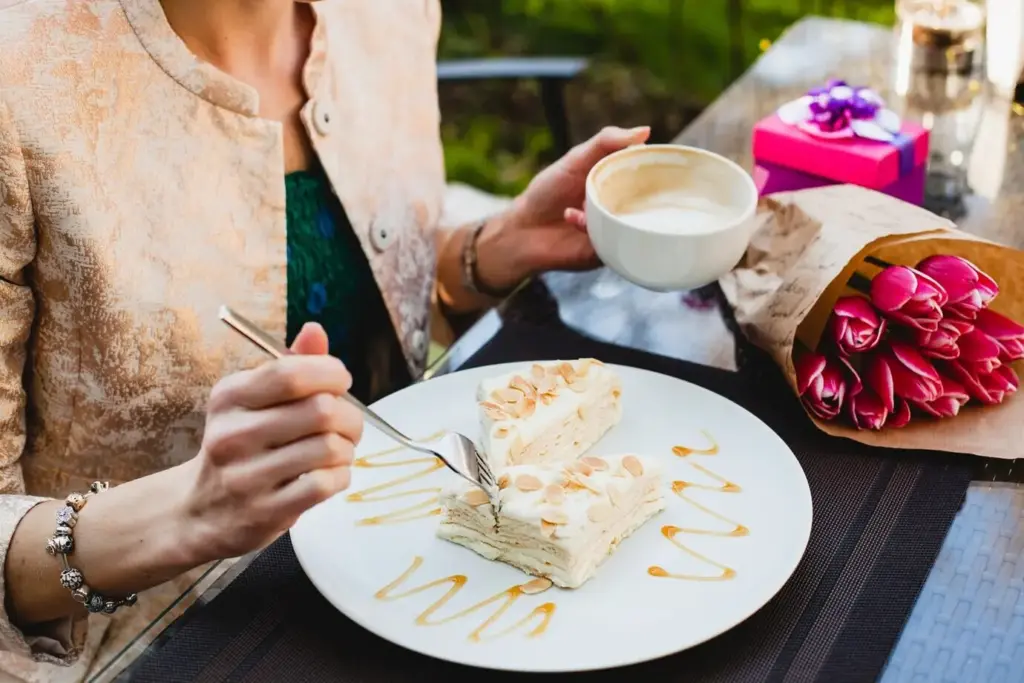
Between tandas, keep talk light, appreciative, and inclusive. Ask how the music feels, compliment connection, or share a brief anecdote that acknowledges mutual enjoyment. Avoid unsolicited corrections or comparisons. If you wish to invite again, let your eyes and timing speak rather than pressing verbally. New dancers often rely on these gentle exchanges to feel they belong. Thoughtful conversation leaves a lingering glow, making future tandas easier to initiate and ensuring the afternoon ends with gratitude rather than fatigue.

Connection, Embrace, and Conversation

A satisfying afternoon dance grows from a balanced embrace, attentive breathing, and friendly talk between tandas. Begin with a comfortable distance, then adjust according to comfort and music. Respect boundaries without negotiation on the floor. During cortinas, keep conversation supportive and light, never critiquing without invitation. Compliment musicality or connection rather than moves. Good manners transform nervous first dances into encouraging moments, while thoughtful silence lets shared movement speak for itself. Leave partners feeling valued, respected, and at ease.

Beginner-Friendly Preparation

First visits can be tender and exciting. Prepare by resting well, hydrating, and eating lightly. Pack shoes that pivot gently and a second pair for comfort. Review basic navigation, embrace, and musical walking. Arrive early to watch the floor, meet organizers, and absorb the culture without pressure. Invite sparingly at first, choosing familiar orchestras. Leave while you still feel energized. Preparation is not perfectionism; it is loving support for your confidence, transforming nerves into curiosity and sustainable joy.

Community, Hosts, and DJs

Respecting the DJ’s Flow

A good DJ crafts a journey from relaxed beginnings to radiant peaks, then gently lands the room. Trust the choices, dance what is offered, and let unfamiliar orchestras teach new textures. Hold requests until breaks, and phrase them courteously. Applaud at satisfying moments. When dancers honor this arc, tandas become cohesive stories rather than scattered tracks. Your patience returns as deeper enjoyment, because a well-kept flow supports connection, safety, and the kind of collective listening that turns steps into conversation.

Supporting Organizers

Organizers juggle logistics, rentals, sound, safety, and hospitality. Help by paying promptly, following posted guidelines, and offering appreciation. If a concern arises, approach privately with kindness and practical suggestions. Volunteer to move chairs, collect cups, or greet new arrivals. These small acts reinforce the welcoming tone you hope to experience. When dancers share stewardship, events remain sustainable and calm. The afternoon becomes more than a schedule; it becomes a living circle shaped by mutual respect and steady hands.

Kindness Across Cultures

Afternoon milongas often welcome travelers and locals with varied customs. Lead with curiosity, not assumption. Ask about preferences, observe invitations, and mirror the politest practice you see. Celebrate different embraces and musical tastes without judgment. Offer help if someone seems lost, but never push instruction. These gestures communicate that everyone’s background enriches the dance. Cultural sensitivity converts potential friction into discovery, letting the floor feel like a shared language where differences harmonize through rhythm, patience, and mutual delight.
Lonepokatufika
Privacy Overview

This website uses cookies so that we can provide you with the best user experience possible. Cookie information is stored in your browser and performs functions such as recognising you when you return to our website and helping our team to understand which sections of the website you find most interesting and useful.